How Long Does a Sunburn Last and How Can You Prevent It?
July 2, 2026
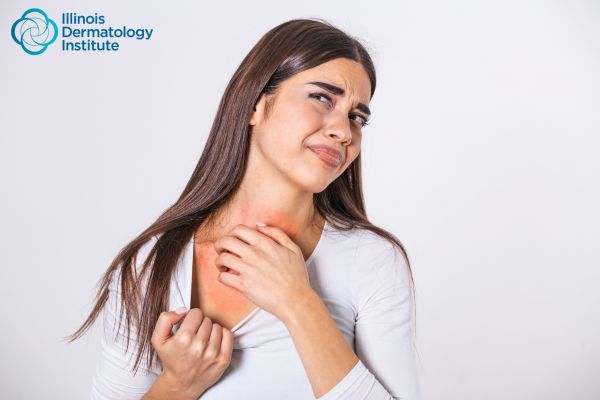
A sunburn that looks mild on day one can still be peeling, painful, and inflamed a week later. How long it lasts, and how much damage it does, depends on factors most people don’t think about until after they’re already burned: UV intensity, time of exposure, skin type, and whether it was treated early or ignored.
Dermatologists also see a pattern that patients rarely connect: the sunburns from years or decades ago are contributing to skin cancer risk and premature aging right now. A burn that faded in a week still left permanent cellular damage behind.
Let’s understand how long different sunburns take to heal, which treatments actually work, when it’s time to see a dermatologist, and, most importantly, how to prevent sunburn in the first place.
What Is a Sunburn, and What Causes It?
A sunburn isn’t just surface-level irritation. It’s your skin’s inflammatory response to DNA damage caused by ultraviolet (UV) radiation from the sun.
There are two types of UV rays to know:
UVB rays hit the skin’s surface and are primarily responsible for the burning, redness, and peeling most people associate with sunburn. They’re strongest during midday hours and vary by season.
UVA rays penetrate more deeply into the skin and are the main driver of premature aging, fine lines, wrinkles, and sunspots. UVA rays are present year-round, including on overcast days, and pass through windows.
A few things catch people off guard: sunburns absolutely can happen on cloudy days, in winter, and in the water. Reflective surfaces like sand, snow, and concrete amplify UV exposure significantly. And while fair-skinned individuals are at higher risk, every skin tone can burn, no one is immune.
How Long Does a Sunburn Last?
Healing time varies considerably based on how deep the burn goes.
Mild Sunburn (First-Degree)
The most common type: redness, warmth, and tenderness with no blistering. Your skin may feel like it’s radiating heat for a day or two, followed by light peeling as damaged cells shed. Most mild sunburns resolve within 3 to 5 days.
Moderate Sunburn
Deeper redness, more intense pain, and possible swelling that makes even clothing uncomfortable. Peeling is more pronounced as the body works to shed the damaged outer layers. Expect 5 to 7 days of recovery.
Severe Sunburn (Second-Degree)
Severe sunburns involve blistering, significant swelling, and sometimes systemic symptoms like fever, chills, headache, or nausea, signs that your body is treating this as a serious injury. Healing can take 7 to 14 days or longer, and professional medical attention is warranted at this stage.
Important note: Even after redness disappears, your skin remains damaged at a cellular level. This is why repeated sunburns accumulate risk over time, the effects don’t simply vanish when the burn fades visually.
The Stages of Sunburn Healing
Understanding what’s happening under the surface can help you manage expectations and know when something’s wrong.
| Timeframe | What’s Happening |
| Hours 0-6 | Redness begins; skin feels hot and tender; pain peaks |
| Hours 6-24 | Redness and swelling intensify; worst pain phase |
| Day 2-3 | Skin tightens; inflammation begins to subside |
| Day 4-7 | Peeling begins — the body shedding UV-damaged cells |
| Day 7-14+ | Blisters (if present) rupture and crust; deeper skin regenerates |
Severe Sunburn Treatment: What Actually Works
Most burns don’t require a hospital visit, but what you do in the first 24 hours matters.
At-Home Care
- Cool compresses or cool baths: bring down surface temperature; no ice directly on skin
- Fragrance-free aloe vera gel: reduces inflammation; avoid petroleum-based products early on as they trap heat
- OTC ibuprofen or aspirin: most effective within the first 24 hours; not for children
- Hydration: sunburn pulls fluid to the skin’s surface; drink more water than usual
- Loose, breathable clothing: minimize friction on damaged skin
- Complete sun avoidance: re-exposure extends healing and deepens damage
What Not to Do
Some remedies are so widely shared that people assume they work. Several do real harm:
- Do not pop blisters: they’re a protective barrier; breaking them invites infection
- Do not apply butter, oil, or toothpaste: common myths that trap heat and worsen burns
- Do not apply ice directly: risks frostbite on already-damaged skin
- Do not scratch or peel skin
When to See a Dermatologist for Sunburn
Seek professional care if you notice:
- Blistering across a large area of the body
- Signs of infection, spreading redness, pus, or worsening fever
- Heatstroke or severe dehydration symptoms, confusion, no urination, rapid pulse
- Sunburn in an infant or very young child
- A recurring pattern of severe burns
What Helps a Sunburn Heal Faster?
You can’t reverse UV damage, but the right steps in the first 48 hours make a real difference.
- Fragrance-free aloe vera: reduces inflammation and keeps the surface hydrated
- Consistent moisturizing: prevents cracking and premature peeling
- Extra water: supports skin repair from the inside out
- Ibuprofen within the first 24 hours: meaningfully shortens inflammation duration
- Cool baths: short-term relief; lowers surface temperature faster
- Rest and heat avoidance: the most underrated recovery tool
- Vitamins C and E: some evidence supports antioxidant intake for skin recovery
What doesn’t work:
- A “base tan” to counteract the burn, a myth with no scientific basis
- Exfoliating or scrubbing the area
- Manually peeling skin to speed things up
How to Prevent Sunburn
Prevention is straightforward, it just requires consistency:
Sunscreen
The most effective tool available, but only when used correctly.
- SPF 30 minimum; SPF 50+ for extended outdoor time or near reflective surfaces
- Broad-spectrum, covers both UVA and UVB rays
- Apply 15–30 minutes before going outside
- Reapply every 2 hours, or immediately after swimming or sweating
Sun-Smart Habits
- Seek shade between 10am and 4pm, peak UV hours
- Check the UV Index before heading out; above 6 warrants extra precaution
- Water, sand, snow, and concrete all reflect and amplify UV rays
- Never use tanning beds, there is no safe level of exposure
Protective Clothing
Physical barriers provide protection that doesn’t wash off or wear away.
- UPF-rated fabrics for reliable, wash-proof sun protection
- Wide-brim hat for the face, ears, and neck
- UV-blocking sunglasses for the skin and eyes
Up to 80% of UV rays penetrate cloud cover. Sunscreen is necessary even on overcast days.
What Repeated Sunburns Do to Your Skin Over Time
Every sunburn causes permanent DNA damage, damage that accumulates even when the burn itself fades. Five or more blistering sunburns before age 20 significantly raises lifetime melanoma risk.
Repeated UV exposure also accelerates photoaging, breaking down collagen and elastin and leading to premature wrinkles, sunspots, and loss of elasticity.
Actinic keratoses: rough, scaly patches from years of UV accumulation, are a pre-cancerous condition. They should never be ignored or assumed harmless.
Know the Burn, Stop the Damage!
Sunburns are common, but they’re not trivial. A mild burn may clear up in three to five days with the right care. A severe one with blistering can take two weeks or more and may require professional treatment to prevent complications. Either way, every burn matters, not just for how it feels right now, but for what it means for your skin years from now.
At-home care helps. Knowing when to see a dermatologist matters. But the most powerful tool available to you is prevention: consistent SPF, protective clothing, shade-seeking habits, and staying off tanning beds entirely.
Your skin keeps a record of every sun exposure you’ve ever had. Treat it accordingly.
Expert Sunburn Care and Prevention at Illinois Dermatology Institute
Skin damage from sun exposure is cumulative, and the right care makes a difference at every stage. At Illinois Dermatology Institute, our board-certified dermatologists treat everything from severe sunburns to long-term UV damage, including actinic keratoses, skin cancer screenings, and cosmetic concerns caused by years of sun exposure.
Book an appointment today and take the first step toward healthier, better-protected skin.
FAQs
- How long does a sunburn typically last?
A mild sunburn heals in 3–5 days, while moderate to severe burns may take 5–14 days or longer, depending on severity.
- What is the fastest way to heal a sunburn?
Use cool compresses, apply aloe vera and fragrance-free moisturiser, stay hydrated, avoid further sun exposure, and consider ibuprofen to reduce inflammation.
- When should you see a dermatologist for a sunburn?
Seek medical care if you have severe blistering, signs of infection, heat-related symptoms, or if a young child has a significant sunburn.
- What is the best treatment for a severe sunburn?
Severe sunburns should be evaluated by a medical professional, with cool baths, moisturiser, hydration, and pain relief used as initial home care.
- How do dermatologists recommend preventing sunburn?
Wear broad-spectrum SPF 30+ sunscreen, reapply every two hours, seek shade, wear protective clothing, and avoid peak UV hours.