Winter Dry Skin Problems: Dermatologist-Approved Relief Strategies
January 7, 2026
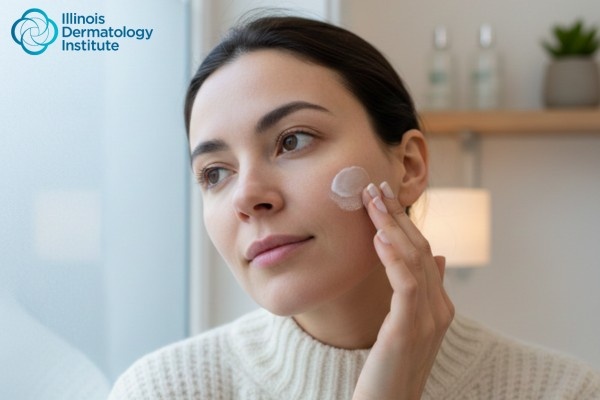
As soon as winter sets in, many people notice their skin feeling tight, rough, or unusually itchy. Moisturisers that worked perfectly fine in summer suddenly don’t seem enough, and dry patches appear almost overnight. That’s because winter creates the toughest environment for your skin, cold outdoor air, dry indoor heating, and hot showers all pull moisture away faster than your skin can replace it.
Instead of just layering on products, understanding why winter dry skin happens, and how dermatologists actually treat it, can make a lasting difference.
The strategies below focus on simple, expert-approved changes that help restore comfort and protect your skin throughout the colder months.
Common Winter Dry Skin Problems People Experience
Winter skin concerns manifest differently for everyone, but most people encounter a combination of the following:
- Tight, Flaky, or Rough Texture: That “ashen” look or skin that feels too small for your body.
- Redness and Itching: Often referred to as “winter itch,” this can lead to a cycle of scratching and further irritation.
- Cracks and Fissures: Deep cracks, particularly on the knuckles, heels, and lips, which can sometimes bleed or become infected.
- Worsening of Existing Conditions: If you have eczema, psoriasis, or rosacea, winter often triggers significant flare-ups.
Causes of Dry Skin in Winter
Understanding the causes of dry skin in winter is the first step toward fixing it. It’s usually a “perfect storm” of environmental factors:
- Plummeting Humidity: Cold air holds less moisture than warm air.
- Indoor Heating: Forced-air heating systems create an incredibly dry indoor environment.
- Hot Showers: While a steaming shower feels great after being in the cold, hot water strips away the natural sebum (oils) that keeps your skin barrier intact.
- Harsh Products: Many people continue using lightweight summer cleansers or harsh exfoliants that are too aggressive for winter weather.
Why Winter Dry Skin Needs a Dermatologist’s Approach
There is a fine line between temporary dryness and chronic skin barrier damage. While a store-bought lotion might provide a few minutes of comfort, it often fails to address the underlying issue: a compromised moisture barrier.
Dermatologists look beyond the surface. They assess whether your dryness is a simple lack of oil or if your skin’s structural proteins are damaged. When over-the-counter (OTC) products stop working, a professional can provide medical-grade solutions that penetrate deeper and heal the skin from within.
Dermatologist Tips for Dry Skin During Winter
Adjust Your Cleansing Routine
- Swap Your Soap: Use soap-free, fragrance-free cleansers. Look for “creamy” textures rather than foaming gels.
- Keep it Lukewarm: Limit showers to 5–10 minutes and use lukewarm water.
- Pause the Scrub: Reduce exfoliation to once a week or skip it entirely if your skin is feeling raw.
Moisturize the Right Way
- The Three-Minute Rule: Apply moisturizer within three minutes of exiting the shower while skin is still damp. This traps the water in your pores.
- Creams Over Lotions: In winter, ditch the pump-bottle lotions. Opt for rich creams or ointments (the ones that come in a jar or tube), as they have a higher oil-to-water ratio.
- Key Ingredients: Look for Ceramides (to repair the barrier), Hyaluronic Acid (to pull in moisture), and Glycerin or Petrolatum (to seal it in).
Protect Your Skin from Harsh Weather
Don’t let the wind “burn” your skin. Wear gloves and scarves to provide a physical barrier. For exposed areas like your face, apply a barrier cream or a thin layer of an occlusive ointment before heading outside.
Effective Dry Skin Relief Options
For those seeking more intensive dry skin relief, dermatologists often recommend:
- Barrier Repair Creams: Prescription-strength formulations containing specific ratios of lipids, ceramides, and fatty acids.
- Topical Steroids or Calcineurin Inhibitors: For severe itching or eczema-like patches that don’t respond to simple moisturizers.
- In-Office Hydrating Treatments: Procedures like specialized hydrating facials or light chemical peels can remove dead skin cells and allow deep hydration to penetrate more effectively.
How to Prevent Winter Dry Skin Before It Starts
Proactive care is always more effective than reactive treatment.
- Use a Humidifier: Aim for an indoor humidity level of 40–50% to prevent your skin from drying out while you sleep.
- Hydrate from Within: While drinking water isn’t a “cure” for dry skin, staying hydrated supports overall skin cell health.
- Eat Healthy Fats: Incorporating Omega-3 fatty acids (found in salmon, walnuts, and flaxseed) helps support your skin’s natural oil production.
When Winter Dry Skin Signals a Bigger Issue
Sometimes, “dry skin” is actually a medical condition. You should consult a dermatologist if:
- Your skin is so itchy you can’t sleep.
- You have open sores or infections from scratching.
- You see thick, silvery scales (a sign of psoriasis).
- The dryness does not improve despite using heavy moisturizers for two weeks.
Early intervention prevents complications like secondary bacterial infections or permanent scarring.
Resilient Skin Through the Frost!
Dry winter skin is a warning sign that your barrier is struggling to do its job. It isn’t just about looking “glowy,” it’s about preventing the inflammation and microscopic tears that lead to chronic irritation. Ditch the thin lotions, stop the scalding showers, and start prioritizing lipid repair. Taking these clinical steps now ensures your skin stays intact and pain-free, no matter how low the humidity drops.
Give Your Skin the Care It Needs This Winter with Illinois Dermatology Institute
If your skin feels uncomfortable every winter no matter what you try, it’s worth getting expert advice. The dermatologists at Illinois Dermatology Institute focus on understanding what’s really causing your dryness and irritation, not just covering it up. A personalised skin evaluation can help you feel comfortable, confident, and in control of your skin again.
Schedule a consultation today.